
The Most Common Stucco Repair Mistakes (and How to Avoid Them)
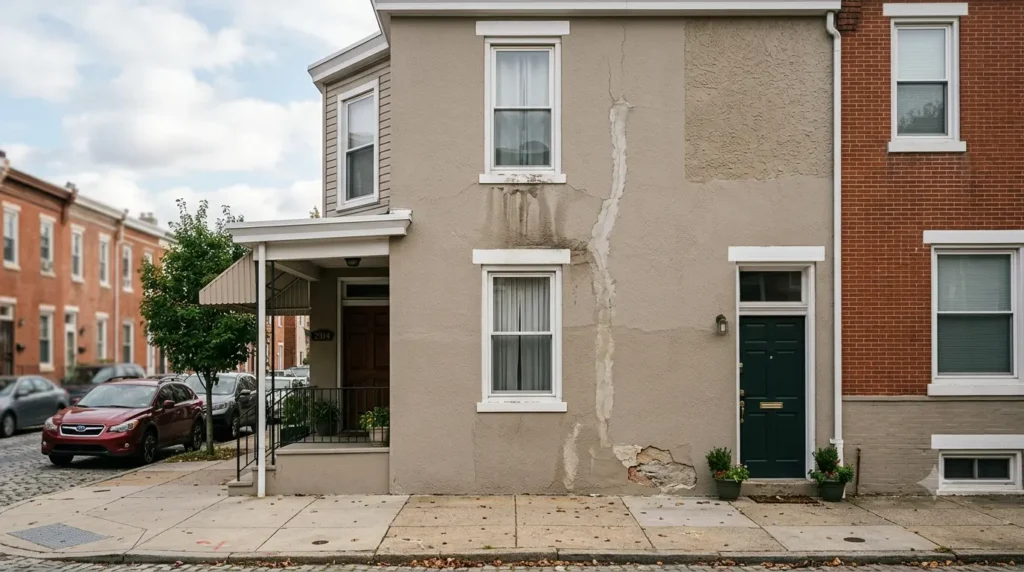
Many stucco problems begin with good intentions. A homeowner notices a crack, buys a repair product from the hardware store, and patches the damaged area, hoping the problem is solved.
Sometimes those repairs work. More often, they only hide the visible damage while the real issue continues behind the wall. Moisture intrusion, failed flashing, or poor installation can all cause the same crack to return a few months later.
Understanding the most common stucco repair mistakes can help you avoid unnecessary expenses and protect your home’s exterior for years to come.
Why Stucco Repairs Often Fail
Stucco repairs don’t usually fail because of the patch itself. They fail because the underlying cause was never identified.
A growing crack, loose stucco, or recurring water stain is often a symptom rather than the actual problem. Repairing the surface without fixing what’s causing the damage usually leads to the same issue returning.
1. Repairing the Crack Instead of the Cause
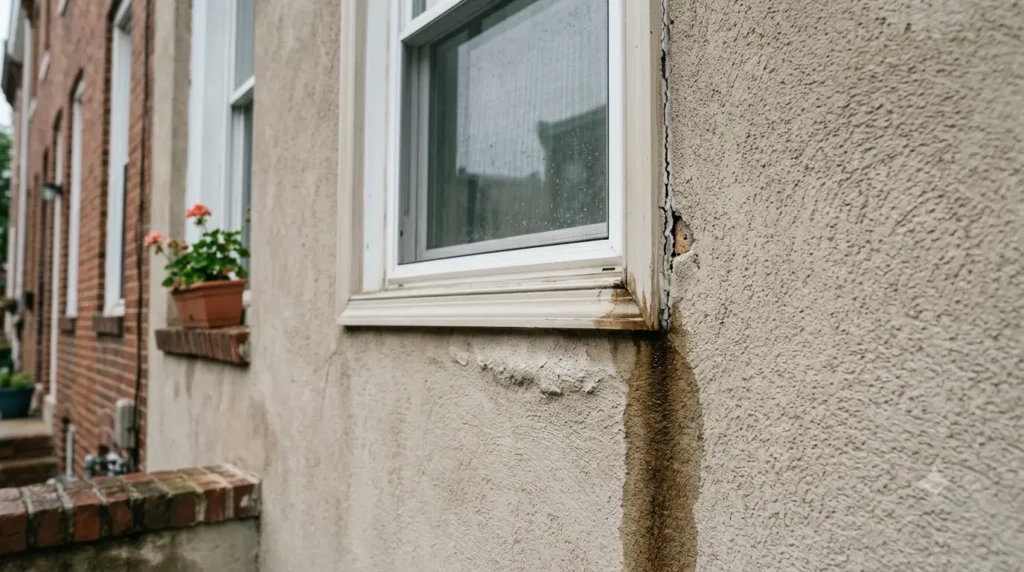
One of the biggest mistakes homeowners make is treating every crack the same way. Applying caulk or patch material may hide the damage, but it won’t stop moisture intrusion, building movement, or deteriorated flashing.
For example, a crack beneath a window may actually be caused by failed sealant or flashing several feet above it. Unless that source is repaired, the crack will likely reopen even after it has been patched.
What You Should Do
Before making repairs, determine why the crack developed. If the crack continues growing, appears after heavy rain, or returns repeatedly, have the area professionally inspected before applying another patch.
Need Professional Stucco Repair or Remediation?
Get expert stucco inspection, repair, and remediation services you can trust. Serving homeowners with quality workmanship and long-lasting results.
Get a Free Consultation
Need Professional Stucco Repair or Remediation?
Get expert stucco inspection, repair, and remediation services you can trust. Serving homeowners with quality workmanship and long-lasting results.
Get a Free Consultation2. Waiting Too Long to Fix Small Damage
Small stucco problems rarely stay small forever. What begins as a minor crack or chipped corner can gradually allow water to enter behind the exterior finish.
Once moisture reaches the wall system, repairs often become more expensive because the damage extends beyond the stucco itself. Insulation, sheathing, and framing may also need attention if the problem is ignored for too long.
Many homeowners postpone repairs because the damage appears cosmetic. Unfortunately, moisture damage often develops long before it becomes visible from the outside.
What You Should Do
Inspect your home’s exterior a few times each year, especially after severe storms or winter weather. Addressing small problems early is usually far less expensive than repairing extensive moisture damage later.
3. Using the Wrong Repair Materials
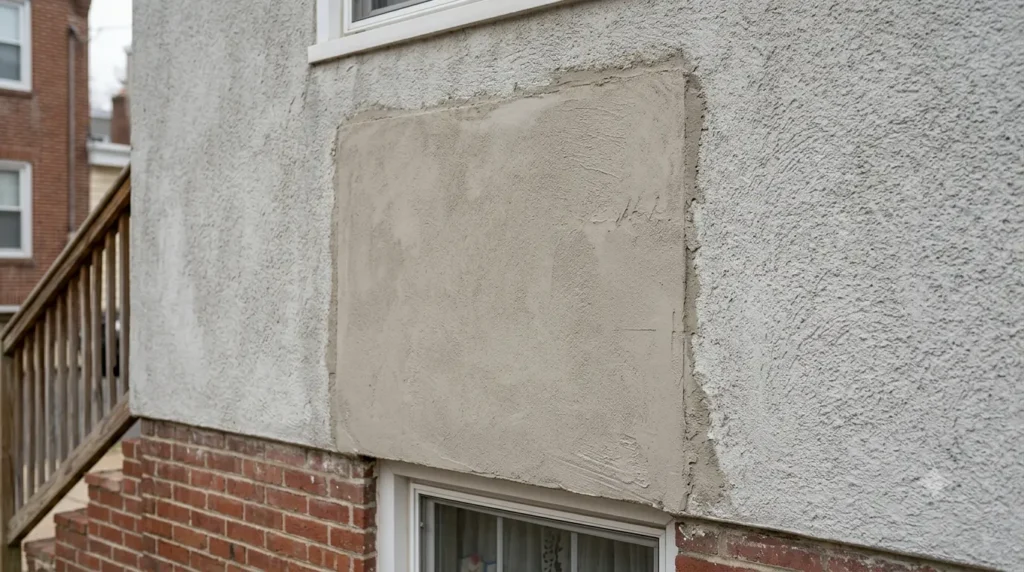
Not every stucco repair product is suitable for every type of damage. Using incompatible patch materials or low-quality sealants can lead to poor adhesion, color differences, and repairs that fail prematurely.
Matching the texture is equally important. A repair that doesn’t blend with the surrounding stucco may stand out visually, even if it successfully seals the damaged area.
Many DIY repairs look acceptable immediately after they’re completed but begin cracking or separating as temperatures change. Choosing the correct repair materials helps create a longer-lasting repair while maintaining the appearance of the exterior.
What You Should Do
Use repair products recommended for your specific stucco system and follow the manufacturer’s application instructions. If you’re unsure which materials are appropriate, consult a professional before starting the repair.
4. Skipping a Moisture Inspection
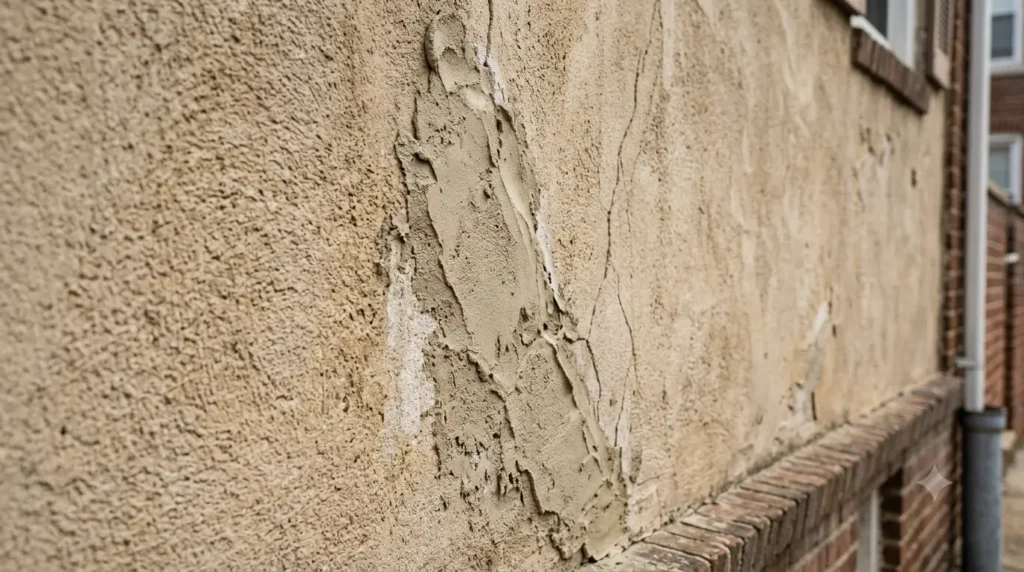
One of the biggest mistakes homeowners make is assuming the visible damage tells the whole story. In many cases, a small crack or stain is only the surface symptom of a larger moisture problem hidden behind the stucco.
Water can travel behind the exterior before it becomes visible, making the source of the problem difficult to identify without proper testing. Repairing the damaged area without checking for trapped moisture may allow hidden damage to continue.
What You Should Do
If you notice recurring cracks, stains, or loose stucco, consider having the area inspected before starting repairs. A moisture inspection can confirm whether the damage is limited to the surface or has affected the wall behind it.
5. Repairing Stucco in Poor Weather
Weather plays a bigger role in stucco repair than many homeowners realize. Extremely hot temperatures, freezing conditions, or heavy rain can affect how repair materials cure and bond to the existing surface.
Applying repair products in unsuitable weather may reduce their durability and increase the chances of cracking or separation later. Even a properly completed repair can fail if the conditions aren’t right.
What You Should Do
Follow the manufacturer’s recommended temperature and curing guidelines. If weather conditions aren’t suitable, waiting a few days can lead to a stronger, longer-lasting repair.
6. Ignoring Damaged Flashing and Sealant
Stucco isn’t the only part of your home’s moisture protection system. Flashing around windows, doors, roofs, and other openings helps direct water away from the wall, while sealant closes small gaps where moisture could enter.
If flashing is damaged or sealant has deteriorated, repairing the stucco alone won’t solve the problem. Water may continue entering behind the wall, causing the same damage to return.
What You Should Do
Inspect sealant joints and flashing whenever stucco damage is discovered. Replacing worn sealant or repairing damaged flashing at the same time often prevents future repairs.
7. Choosing Price Over Experience
It’s natural to compare quotes before hiring a contractor, but the lowest price doesn’t always provide the best value. Inexperienced repairs may focus on making the wall look better without identifying the reason it was damaged.
A qualified stucco contractor evaluates the entire affected area, identifies the source of the problem, and recommends repairs that address both the visible damage and the underlying cause. That approach often saves money over time by reducing the likelihood of repeat repairs.
What You Should Do
Choose a contractor with experience repairing stucco systems similar to yours. Ask about their inspection process, repair methods, and previous projects rather than making your decision based on price alone.
Frequently Asked Questions
Can I repair stucco myself?
Small cosmetic chips or hairline cracks may be suitable for DIY repair if the underlying wall is dry and undamaged. However, recurring cracks, loose stucco, or signs of moisture should be inspected by a professional before repairs begin.
Why do my stucco cracks keep coming back?
Recurring cracks often indicate that the original cause wasn’t addressed. Building movement, moisture intrusion, deteriorated flashing, or failed sealant can all cause repaired cracks to reopen over time.
How long should a stucco repair last?
A properly completed repair can last for many years when the underlying problem has been corrected. Repairs that only cover the visible damage without fixing the source are much more likely to fail.
What happens if damaged stucco isn’t repaired?
Ignoring damaged stucco increases the risk of moisture entering the wall system. Over time, this can contribute to mold growth, wood rot, damaged insulation, and more extensive structural repairs.
Final Thoughts
Successful stucco repair is about more than filling cracks or replacing damaged sections. The goal is to identify why the damage occurred, correct the source of the problem, and restore the exterior so it continues protecting your home.
Most expensive stucco repairs begin as small issues that were easy to overlook. Addressing cracks, stains, or loose stucco early can help prevent moisture damage and reduce repair costs over time.
If you’re unsure whether the damage is cosmetic or something more serious, scheduling a professional inspection is the best way to understand the condition of your stucco and choose the right repair before the problem becomes worse.